THE OVERALL GAP
Paper slightly ahead
A 2018 meta-analysis of studies from 2000 to 2017 found a small advantage for reading comprehension on paper over digital devices.
See the numbers duotablets
Start
WHAT THE STUDIES FOUND
Does it matter whether you read on a tablet or on paper?
Big reviews of the research say: a little, sometimes. Paper tends to come out ahead for information-heavy texts and reading against the clock. For stories, the difference largely disappears.
IT DEPENDSon the text and the clock
Check your readingKeep in mind
THE SHORT ANSWER
Two meta-analyses pooled dozens of experiments.
Both found paper ahead, but not everywhere.
THE OVERALL GAP
A 2018 meta-analysis of studies from 2000 to 2017 found a small advantage for reading comprehension on paper over digital devices.
See the numbersTHE KIND OF TEXT
The paper advantage held for informational texts but not in studies using only narrative texts. A 2019 review found the same for expository versus narrative reading.
Check your readingTHE DEVICE
The gap was significant on computers but not significant on hand-held devices, and a well-controlled tablet study found no reliable difference at all.
Why it variesWHAT ARE YOU READING?
Pick a reading situation to see what the research found. The bar shows how large the paper advantage tended to be.
These are average findings across many studies; individual readers vary.
TWO NUMBERS WORTH KNOWING
How big the two main reviews were,
and what both of them found.
171,055
Participants across 54 study designs
Delgado and colleagues pooled 38 between-participant and 16 within-participant designs from 2000 to 2017. Both designs gave the same advantage for paper over digital reading.
META-ANALYSIS · 2018
33 studies
Randomised studies in a second review
A review of 33 studies with 2,799 participants found screens had a negative effect on reading performance, limited to expository texts, and that readers judged their understanding better on paper.
META-ANALYSIS · 2019
The 2018 review also found that the advantage for paper grew over the years it covered, from 2000 to 2017.
FOUR WAYS TO USE THIS
None of this says tablets are bad for reading. It suggests when paper may help, and when it makes little difference.
Step 1
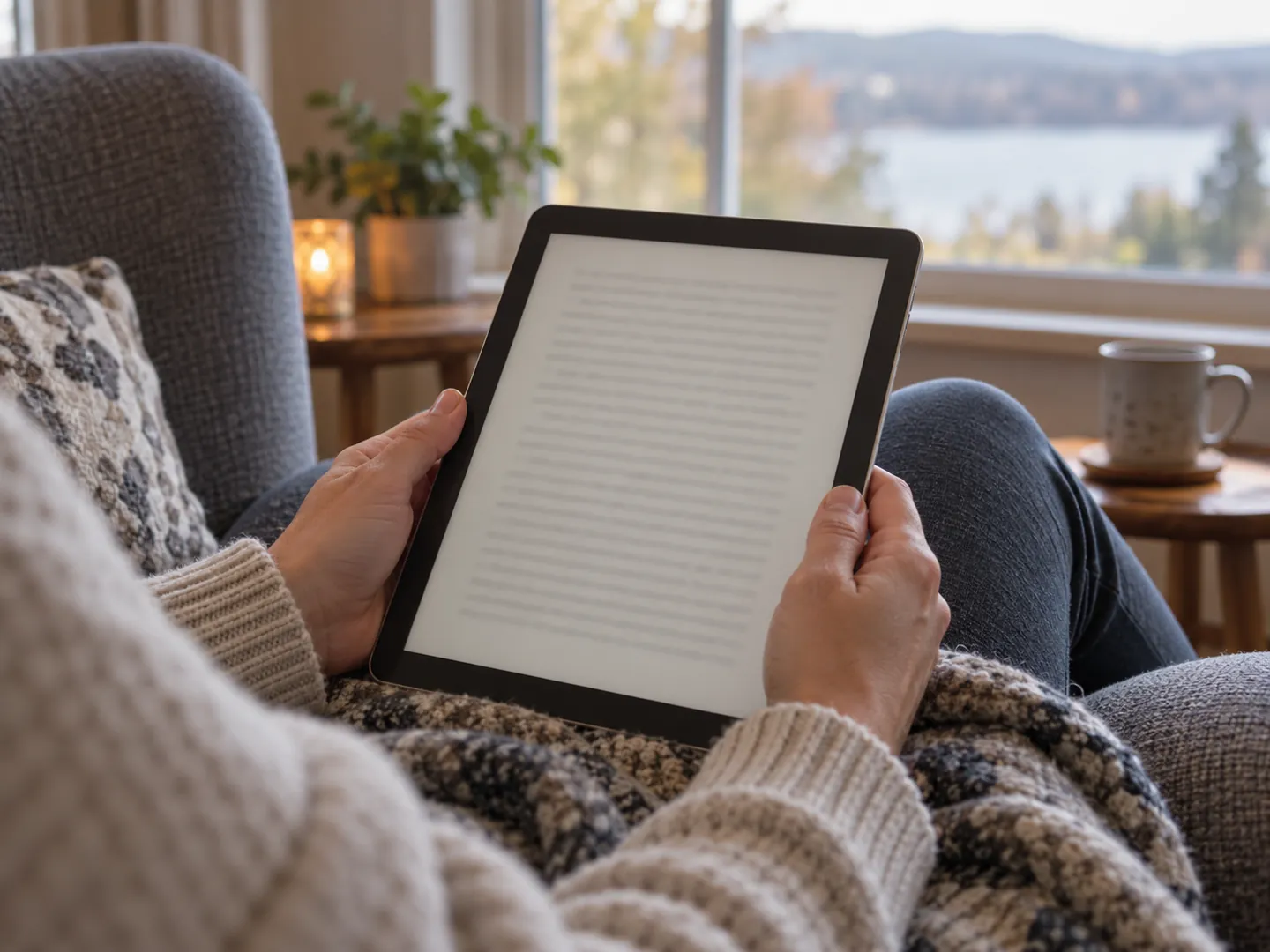
For narrative reading, studies found no clear difference, so read wherever you are comfortable.
Step 2
For fact-heavy texts, especially when time is short, the evidence leans towards print.
Step 3
Scrolling texts showed a larger gap; paged views on a tablet came closer to paper.
Step 4
Readers judged their own understanding less accurately on screens, so test recall rather than trusting a feeling.
WHY IT VARIES
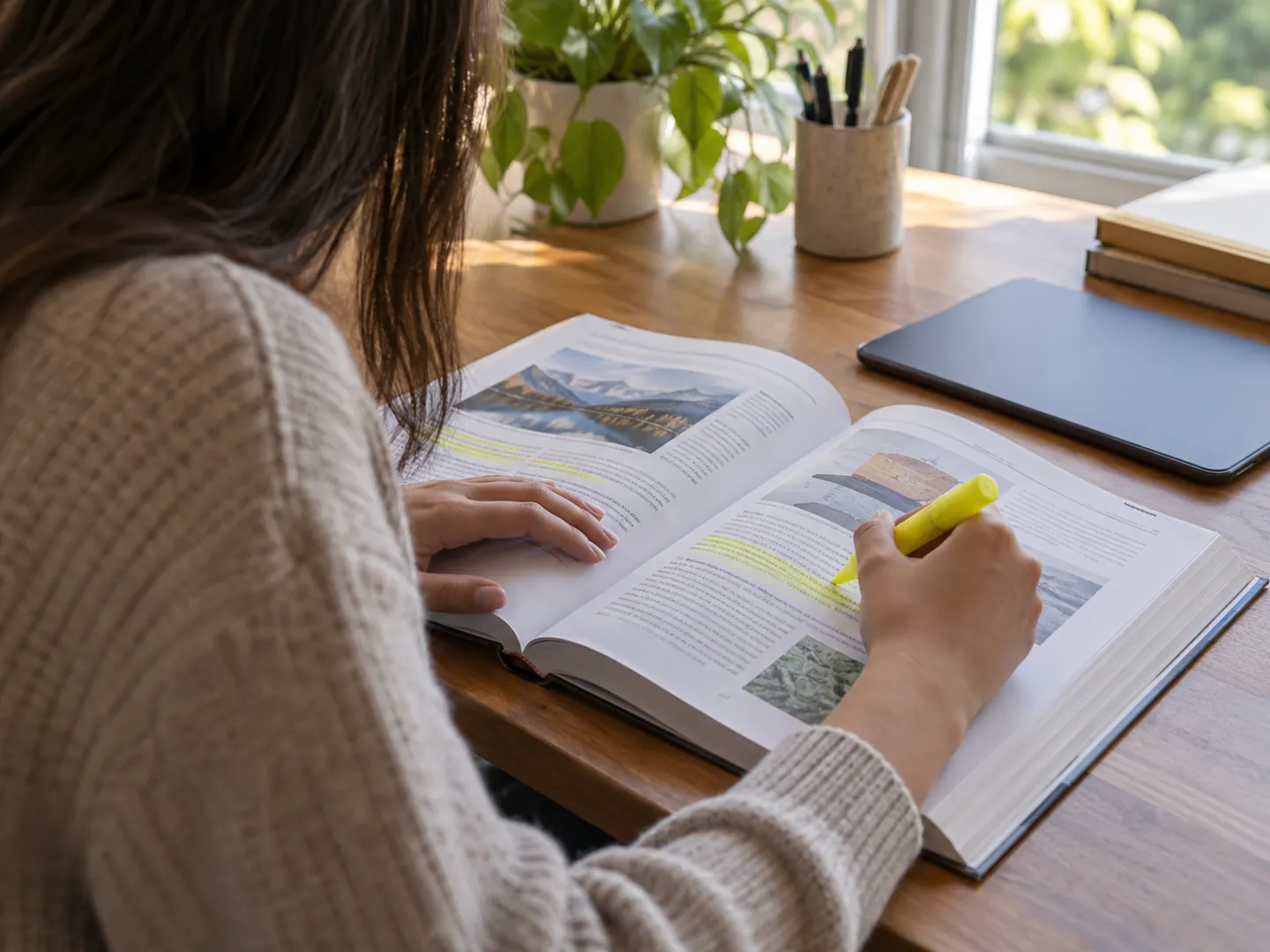
A 2017 study in Frontiers in Psychology matched the brightness and contrast of a tablet and paper precisely. With display conditions matched, it found no reliable difference in reading performance between the two.
Familiarity with tablets, and whether people read on the tablet or on paper first, did not change the result. The authors suggest some earlier gaps came from poorly controlled display conditions.
Questions
On average, slightly, for comprehension. A 2018 meta-analysis found a small advantage for paper, but on hand-held devices the difference was smaller and not statistically significant.
Less so. Studies using only narrative texts showed no paper advantage in the 2018 meta-analysis, and a 2019 review found no significant difference for narrative texts.
The 2018 meta-analysis found the paper advantage was significantly larger in time-constrained reading than in self-paced reading. A related thesis links the effect to tasks that demand more mental effort.
In the 2018 meta-analysis, digital texts that needed scrolling showed a significant paper advantage, while the effect was marginal and smaller when no scrolling was needed.
In one 2017 study that matched brightness and contrast precisely, there was no reliable difference in reading performance between tablet and paper.
Destination
Updated
ABOUT THIS NAME
duotablets.com is part of the DoodleSale portfolio. It isn't in an auction right now, but you can ask about leasing it.